* Select English subtitles from settings (gear icon)
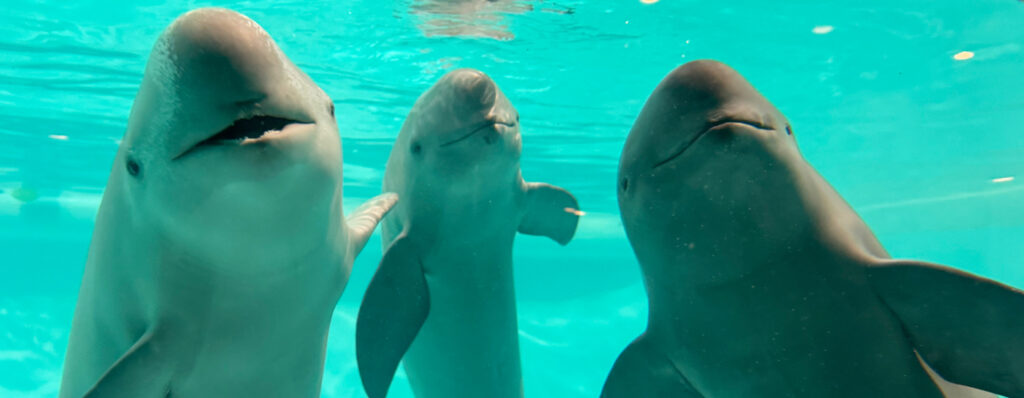
Finless porpoises are small odontocetes that inhabit shallow coastal waters in Asia, including the seas surrounding Japan. Despite living close to human society, they are difficult to observe visually in turbid coastal environments, and many aspects of their behavior and ecology have long remained unknown. To better understand these “invisible marine animals,” my research integrates acoustic, visual, and physiological information as complementary windows into their lives.
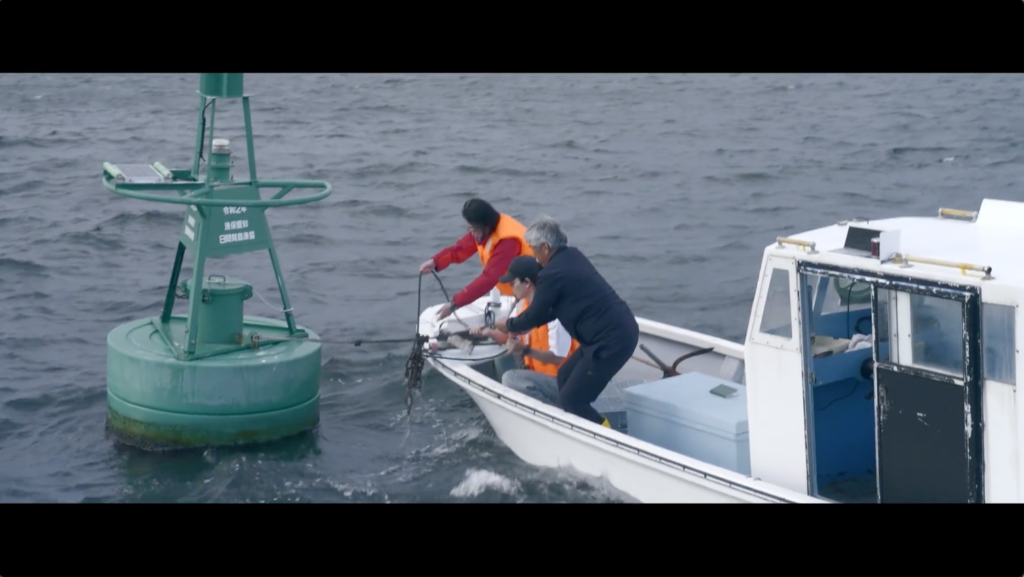
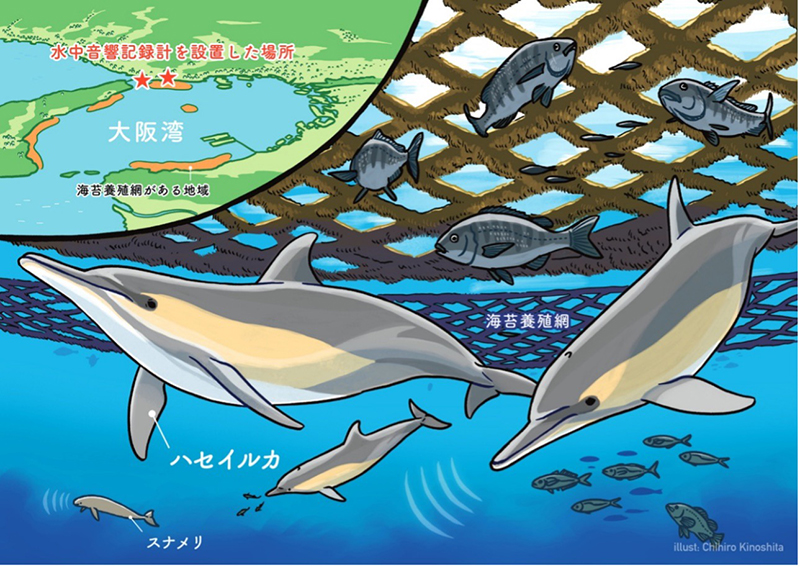
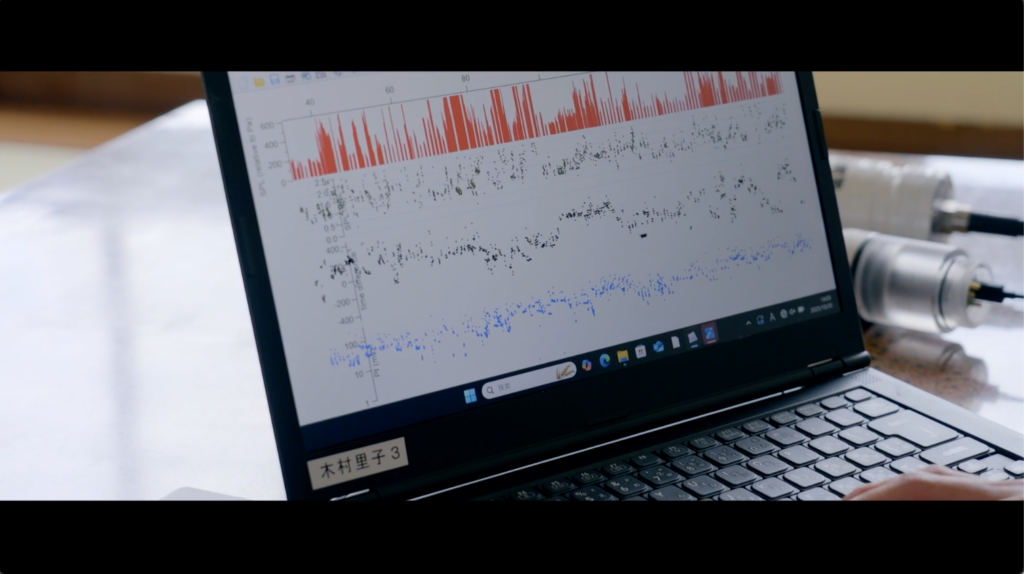
A central focus of my work has been passive acoustic monitoring. Finless porpoises perceive their surroundings by emitting ultrasonic echolocation clicks, which can be recorded using underwater microphones. By analyzing these sounds, it is possible to investigate their distribution and behavior without relying on visual observations. This method has enabled me to determine when and which ocean areas finless porpoises use and how they respond to human activity such as ship traffic.
In recent years, I have incorporated drone-based research. By analyzing aerial imagery, it has become possible to measure the body length and body shape of finless porpoises with high accuracy and without physical contact. I am also using this approach to investigate where the animals are and what they are doing. Understanding spatial and behavioral habitat use provides critical information that can lead to concrete conservation measures, such as the design of marine protected areas.
My latest endeavor has been to explore the use of telomere length as a physiological indicator. Telomeres are repetitive DNA sequences located at the ends of chromosomes, and their length is known to change in response to aging and physiological stress. By measuring telomere length, it may be possible to assess the medium- to long-term physiological burden imposed on individuals by environmental change. This research is being conducted in collaboration with a nearby aquarium focusing on marine mammals (small odontocetes and pinnipeds), and it is currently being expanded to include wild fish species. By detecting presence through sound, taking measurements and observing behavior with drones, and interpreting physiological conditions through telomeres, my research adopts a multi-faceted approach to marine wildlife science. Through this integrated framework, my ultimate goal is to contribute to a future in which marine animals can coexist sustainably with human society.